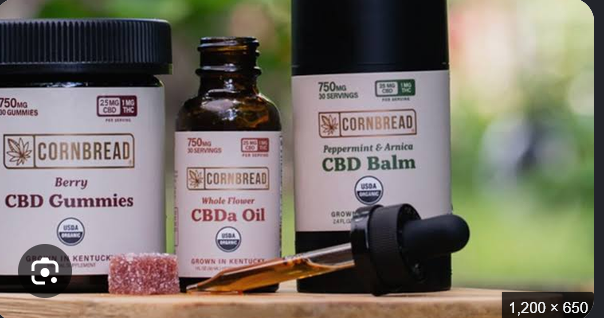
The growing popularity of cannabidiol, commonly known as CBD, has created new opportunities in modern agriculture. As demand for CBD products increases, hemp cultivation has become an important area of interest for farmers, agricultural researchers, and manufacturers. Beyond its commercial value, hemp is attracting attention because of its versatility and potential role in sustainable farming systems.
CBD is a naturally occurring compound found in the cannabis plant. It is commonly extracted from legally cultivated hemp varieties that meet applicable THC limits. The extracted compound is used in various products, including oils, capsules, cosmetics, and personal care formulations.
Understanding Hemp Cultivation
Hemp is an agricultural crop that can be cultivated for different purposes, including fibre, seeds, and cannabinoid extraction. Different hemp varieties are selected according to their intended use, growing conditions, and applicable regulations.
CBD-focused hemp cultivation requires careful attention to genetics, soil conditions, climate, and harvesting practices. Farmers must also comply with local rules concerning approved varieties and THC limits.
Selecting suitable seeds and maintaining healthy growing conditions are important steps in producing consistent agricultural material.
The Importance of Soil and Water
Healthy soil is essential for successful hemp cultivation. Soil composition, drainage, nutrient availability, and pH levels can influence plant development.
Responsible farmers use soil testing to understand their land and identify appropriate agricultural practices. Efficient irrigation and water management can also help reduce unnecessary resource consumption.
Although hemp is sometimes promoted as an environmentally friendly crop, its actual environmental impact depends on local climate, farming techniques, water requirements, and processing methods.
Harvesting Hemp for CBD
Harvesting is an important stage in CBD-focused hemp production. The timing and handling of harvested plants can influence the quality of the resulting raw material.
After harvesting, plant material generally undergoes drying, storage, and processing before extraction. Proper handling helps maintain consistency and reduces the risk of contamination.
Manufacturers must also use suitable laboratory testing to evaluate cannabinoid content and identify unwanted substances.
CBD and Agricultural Innovation
The hemp industry is creating opportunities for innovation in agricultural technology. Farmers and researchers are exploring improved crop varieties, efficient cultivation systems, and better harvesting equipment.
Modern agricultural monitoring can help growers assess crop health and manage resources more effectively.
These developments may support more consistent production while encouraging responsible farming practices.
Challenges Facing CBD Farmers
Despite increasing commercial interest, CBD farming presents several challenges:
- Changing regulations across different countries.
- Unpredictable weather conditions.
- Pest and disease management.
- Variations in cannabinoid concentrations.
- High production and processing costs.
- The need for reliable laboratory testing.
Farmers must understand these challenges before entering the CBD supply chain.
Quality and Consumer Confidence
The quality of CBD products begins with responsible agricultural sourcing. Manufacturers should maintain traceability and provide transparent information about the origin of their hemp.
Independent laboratory testing is important for verifying cannabinoid concentrations and identifying contaminants such as pesticides, heavy metals, and residual solvents.
CBD products may also cause side effects and interact with medications. Consumers should consult healthcare professionals before using them.
Conclusion
CBD farming represents an expanding opportunity within modern agriculture. Hemp cultivation offers several commercial applications, while technological developments continue to improve agricultural and manufacturing practices. However, responsible production requires suitable farming methods, regulatory compliance, and consistent quality control. With continued research and sustainable agricultural management, the hemp industry may continue to develop as an important part of the global plant-based economy.
Leave a Reply