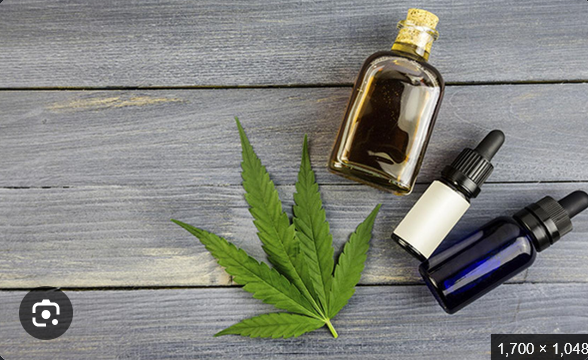
The cannabidiol industry has developed into an interesting commercial sector, attracting businesses involved in agriculture, manufacturing, cosmetics and retail. CBD, commonly known as cannabidiol, is extracted from cannabis plants and used in different consumer product categories.
As the industry evolves, entrepreneurs are exploring new opportunities while navigating important regulatory and manufacturing challenges.
Understanding the CBD Business Market
The CBD market includes several business activities, from hemp cultivation and extraction to packaging, laboratory testing and retail distribution.
Each stage creates opportunities for companies with specialised knowledge and appropriate infrastructure.
However, commercial success depends on more than consumer demand. Businesses must also understand product quality, safety and legal requirements.
Opportunities for Entrepreneurs
Entrepreneurs may explore different areas of the hemp and CBD supply chain.
- Hemp agricultural production.
- CBD product manufacturing.
- Independent laboratory testing.
- Cosmetic product development.
- Packaging and distribution.
- Regulatory consulting services.
Each opportunity requires different investment levels, expertise and regulatory considerations.
The Importance of Product Differentiation
Competition encourages CBD businesses to develop distinctive products and services.
Companies may focus on transparent ingredient information, specialised formulations or improved manufacturing standards.
However, product differentiation should be based on genuine quality rather than unsupported health claims.
Building Consumer Trust
Trust is particularly important in an industry where product quality can vary.
Businesses should provide accurate product labels, independent testing information and transparent manufacturing details.
Responsible advertising also helps establish long-term relationships with customers.
Regulatory Challenges
CBD regulations differ between countries and product categories.
Some products may require special authorisation, while others are governed by cosmetics, medicines or general consumer product rules.
Businesses should obtain appropriate legal and regulatory guidance before launching products or entering international markets.
The Future of CBD Entrepreneurship
Technological improvements, scientific research and more consistent quality standards may create additional commercial opportunities.
Companies that invest in responsible production and regulatory compliance may be better prepared for changes in the industry.
Conclusion
The CBD industry offers opportunities across agriculture, manufacturing, cosmetics and specialist services. However, sustainable business development requires careful planning, transparent operations and compliance with applicable regulations. Quality and consumer confidence will remain important factors in the future of CBD entrepreneurship.
Leave a Reply